About Pervez Hussain
A life shaped by adaptation, not limitation.
Pervez is a motivational speaker, author and former diversity trainer who later became a management and leadership trainer. His story combines lived experience with more than two decades of professional credibility.
“I do not speak for sympathy. I speak about performance, resilience and possibility.”
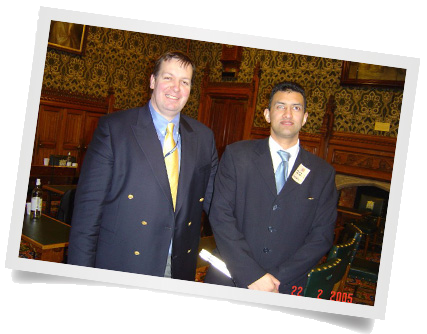
Pervez’s talks are grounded in the difficult moments that forced him to change direction—and in the professional results that followed. His story is not presented as a list of obstacles. It is a practical account of how mindset, preparation and courage can change what happens next.
He speaks with warmth and humour, but never loses sight of the real purpose: helping audiences challenge assumptions, take responsibility and turn insight into action.
The journey
Five chapters. One consistent principle.
When one route closes, create another with the strengths you already have.
Early life
A different route into independence
Growing up in inner-city Birmingham, Pervez experienced deteriorating eyesight from childhood and missed two years of school. Leaving home at 18 to attend the Royal National College for the Blind became the beginning of his independence and ambition.
Age 23
Rebuilding after complete sight loss
After losing his sight completely, Pervez had to rebuild his confidence, identity and practical independence. Long before smartphones and modern accessible technology, he turned memory, discipline and adaptability into professional strengths.
Professional career
From diversity training to leadership development
Across 23 years with West Mercia Police, Pervez progressed through customer service, human resources, organisational development and training. He first became a diversity trainer and later a management and leadership trainer, delivering complex programmes entirely from memory. Alongside this work, he co-founded a diversity training company with a business partner.
National influence
Turning lived experience into change
Pervez advised on disability legislation, contributed to national conversations about workplace barriers and led as a UNISON Branch Secretary representing more than 1,200 members. His work joined practical advocacy with calm, credible leadership.
A new chapter
Kidney failure, property development and renewed purpose
While receiving dialysis, Pervez moved into property development and built a six-figure portfolio. He also began writing Chasing the Bean. Following a kidney transplant, he returned to fitness and developed a new platform for helping others create possibility from adversity.
The principles Pervez lives by
Clear ideas that stay with an audience.
Mistakes are lessons.
Barriers demand adaptation.
Mindset determines outcomes.
Opportunity can be created.
Online or in person